
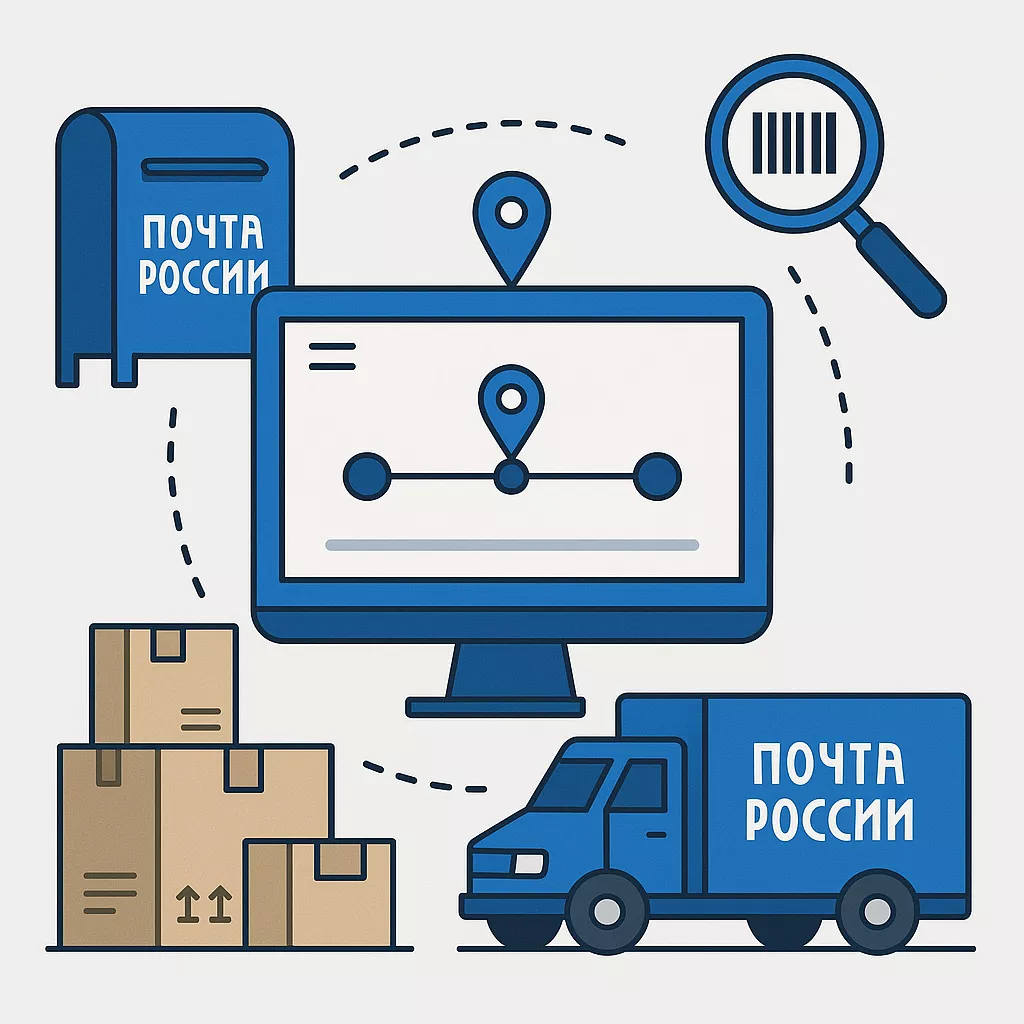
Understanding Russian Post Tracking: A Guide for European Carriers
As someone who’s worked with several postal services across Europe, I want to share my experience with one of the biggest names in Eastern Europe — the Russian Post. If you’ve ever dealt with shipping items to or from Russia, you’ve probably heard about it. Russian Post is the main postal courier handling mail and packages, and it plays a crucial role in connecting Russia with the rest of Europe. Whether you’re sending documents, parcels, or other goods, knowing how to track your shipments properly can save you a lot of stress.
What Is Russian Post and How Does It Operate in Europe?
Russian Post is Russia’s national postal operator and one of the largest carriers in the region. It handles millions of pieces of mail and packages daily, both within Russia and internationally. For us living in Europe, Russian Post comes into play mostly when we’re sending or receiving parcels from Russia or neighboring countries. The service is quite extensive, covering everything from regular mail, express shipments, and even freight.
One of the challenges with Russian Post is that it has its own unique tracking system, which doesn’t always sync up seamlessly with European carriers. That’s why knowing exactly how to track shipments and check status updates is essential. You can find various tracking options, including the official Russian Post website and third-party portals. Personally, I find third-party sites useful because they aggregate tracking information and can sometimes provide updates faster or with more detail. For example, you can get reliable data by visiting joint stock company russian post tracking to monitor shipments in real-time with easy-to-understand status updates.
How to Track Your Russian Post Shipments
Tracking a parcel with Russian Post is pretty straightforward, but it requires some knowledge of the system. Here’s a quick rundown of how I usually go about it:
- Get your tracking number: This usually comes in the format of two letters followed by a series of numbers and ends with the letters “RU” (for example, RA123456789RU). Make sure you keep this handy whether you’re the sender or receiver.
- Use the official tracking tool: Go to the Russian Post’s official website and enter your tracking number in their tracking section. This will show you the latest status, including the package’s current location and any updates like customs clearance or delivery attempts.
- Check third-party tracking sites: Sometimes the official site updates are slow or a bit confusing. I often use third-party sites for more user-friendly tracking info — websites like the one I linked above.
- Sign up for notifications: If you send a lot of packages, it’s useful to register your tracking number with your email or mobile notifications, so you get real-time alerts about any changes.
Common Tracking Statuses Explained
If you’re new to Russian Post tracking, the statuses might seem unclear at first. Here’s what some typical updates mean:
- Accepted at destination country: Your shipment has cleared Russia and is now in the receiving country’s postal system.
- In transit: The package is moving between processing centers or cities within Russia or Europe.
- Customs clearance: The parcel is undergoing customs checks. Sometimes this can cause delays, especially with larger or international shipments.
- Out for delivery: The item is with the local carrier and should arrive soon.
- Delivery attempted: There was an attempt to deliver your item, but no one was available to receive it.
- Delivered: Your parcel has reached its destination.
Pros and Cons of Using Russian Post in Europe
Over the years, I’ve formed my own opinion of the Russian Post when dealing with shipments within Europe. Here’s a quick summary of the good and not-so-good sides:
Pros
- Wide network: Russian Post covers a vast geographical area, including many remote locations in Russia, something other carriers might not handle.
- Affordable rates: Compared to private couriers, Russian Post often offers lower shipping costs, especially for heavier items.
- Official customs processing: As the national operator, Russian Post has official customs channels, which means your items get properly declared and processed.
- International coverage: Despite being a national service, it connects well with European postal systems for international deliveries.
Cons
- Slow delivery times: Russian Post is usually slower than private courier services like DHL or FedEx, especially for international shipments.
- Tracking delays: Tracking updates aren’t always timely and can be difficult to interpret without experience.
- Limited customer support: Many times, it’s hard to get official help quickly if anything goes wrong.
- Package handling: Because of the volume and sometimes inconsistent handling standards, items can get delayed or, in rare cases, damaged.
Tips for Sending and Receiving Packages with Russian Post
If you’re planning to send or receive shipments via Russian Post, here’s what I recommend based on my experience:
- Double-check your address: Russian Post relies heavily on correct addressing details. Any small mistake can cause big delays.
- Opt for registered or tracked services: Always use services that include tracking numbers so you can watch your parcel’s progress.
- Be patient: Russian Post deliveries to Europe often take longer than other carriers, especially during busy seasons like holidays.
- Prepare for customs: Senders should fill out customs forms carefully and accurately to avoid problems on arrival.
- Communicate with the recipient: Make sure the person receiving the parcel knows when to expect it and how to track updates.
Final Thoughts
In my role as a postal carrier and someone familiar with European shipments, I can say that Russian Post is an essential part of the mail and package network involving Russia and Europe. While it may not match some private couriers in speed or customer service, its wide reach and affordability make it a practical choice for many. Learning how to use the tracking system effectively and understanding its quirks will definitely help you navigate sending and receiving parcels with less hassle.
So if you need a reliable option for sending parcels to or from Russia, don’t overlook Russian Post. Just take the time to track carefully and stay patient, and you’ll find it serves your needs well in the European region.